Showing posts with label travel. Show all posts

November 20, 2021

PHL to lift borders for vaxxed foreign tourists from 'green' countries

Passengers arriving at Naia-3 (Image courtesy Roy Kabanlit /Creative Commons)

VACCINATED tourists from many of the Philippines’ top 12 markets will be the first to take in the sunsets on Manila Bay and frolic in the country’s beaches, as government takes the initial steps in lifting its borders to foreign nationals. These include China, Japan, and India, as borders are being eyed for reopening by December 2021.

Tourism Secretary Bernadette Romulo Puyat announced on Friday that the Inter-Agency Task Force on the Management of Emerging Infectious Diseases (IATF) has approved in principle the entry of fully vaccinated tourists from Green List countries/territories/jurisdictions.” Guidelines on their arrival are still being finalized by the Special Technical Working Group (TWG) on Travel. She told the BusinessMirror, “I hope these will be approved by next week.”

Aside from these countries, others on the Green List include: Hong Kong, Saudi Arabia, the United Arab Emirates, American Samoa, Bhutan, Chad, Comoros, Ivory Coast, Falkland Islands, Federated States of Micronesia, Guinea, Guinea Bissau, China, Japan, Indonesia, Kosovo, Kuwait, Kyrgyzstan, Malawi, Mali, Marshall, Islands, Montserrat, Morocco, Namibia, Niger, Northern Mariana Islands, Oman, Pakistan, Palau, Paraguay, Rwanda, Saint Barthélemy, Saint Pierre and Miquelon, Senegal, Sierra Leone, Sint Eustatius in the Lesser Antilles, South Africa, Sudan, Taiwan, Togo, Uganda, Zambia and Zimbabwe. 

In a news statement, the Department of Tourism (DOT) said, allowed to enter are individuals inoculated with “vaccines recognized by the country’s Food and Drug Administration under an Emergency Use Authorization (EUA) or those authorized by the World Health Organization.”

Romulo Puyat said, “Allowing tourists from green countries or territories that have the majority of its population vaccinated and with low infection rate, will greatly help in our recovery efforts--increasing tourist arrivals and receipts among others. This move will likewise aid in bolstering consumer confidence, which is a large contributor to our gross domestic product or GDP (gross domestic product) growth.” 

She noted other countries have already reopened their borders to international leisure travelers. “Our Asean neighbors like Thailand, Vietnam, and Cambodia also did the same. We believe that it is also time for us to reopen our borders for inbound tourism as a way towards full recovery.” 

For his part, Tourism Congress of the Philippines president Jose C. Clemente III said, "After almost two years, we are very pleased to know that foreign visitors from the Green List countries will soon be allowed to enter the Philippines without need for a quarantine period. We hope that this is the start of the revivial of the tourism industry moving forward.”

He added: "We also continue to remind our stakeholders to not let their guard down despite of the eased conditions. The pandemic is still around and we reiterate our call to continue observing health and safety protocols to ensure that we can remain open." 

The DOT is also currently working with the Small TWG on Travel on a separate proposal for vaccinated travel lanes or travel bubbles for vaccinated tourists coming from yellow list countries. There are still ongoing talks on travel bubbles with the governments of Japan, South Korea, and Vietnam, with possible partner destinations such as Metro Manila, Bohol, or Cebu, which host international airports.

Prior to the pandemic, the Philippines welcomed 8.26 million tourist arrivals in 2019, up 15 percent from the previous year. Of the total arrivals in 2019, tourists from China accounted for 21.1 percent, Japan (8.3 percent), and India (1.63 percent). 

September 03, 2012

Rediscovering luxury and indulgence in Tagaytay

View of the placid Taal lake—fortunately, with no fish cages to mar the vista.

TAGAYTAY City has always been a sentimental favorite for short weekend jaunts for many Metro Manilans.

Amid the light and cool mountain weather, it offers so many pleasures that appeal to every type of bakasyonista or road trip warrior.

Tagaytay has a wide variety of hotels and inns to fit every budget, restaurants that appeal to even the snootiest of palates, rest and recreation with its indulgent spas and casino…I sometimes wonder if anyone actually even remembers that the city’s main appeal is actually the Taal Volcano. On a clear day, the volcano and its surrounding lake is just breathtaking to behold, especially now that there are less fish cages in the water.

When my friends and I go to Tagaytay, it’s usually to pay a visit to the Pink Sisters Convent to petition the cloistered nuns to give strength to our own special-intention prayers. Then we’re off to Ilog Maria in Silang, Cavite to load up on our propolis-based soaps, throat sprays, and lately in my case, muscle liniment to soothe my aching left shoulder.

We head on to other pasalubong stores like Amira’s to stock up on foodie treats to take home, Gourmet’s Café for the coffee beans, lettuce, and salad dressings, the freshly-baked raisin bread and pot pies at Bag of Beans, quesong puti and carabao’s milk from Mr. Moo’s, to name a few. Lunch is usually at one of crispy tawilis- and sinigang maliputo-serving restaurants along the ridge, or some hidden haven of culinary genius we’ve recently heard of.

In our latest trip to Tagaytay, we stayed at the luxurious but rustic-themed Discovery Country Suites. With only seven suites, guests are guaranteed rest and privacy, as well as the special care and attention that Discovery’s staff at all its properties are known to provide—with their right hand on their heart, and a response of “Certainly” to each request. (Read the rest in InterAksyon, Lifestyle. Copyright on photos owned by this blogger.)


At 61 sqm., the Nantucket Suite is the second largest among the rooms at the Discovery Country Suites.

March 27, 2012

My favorite destinations in the Philippines

THE cool, powdery-white sands of Boracay.

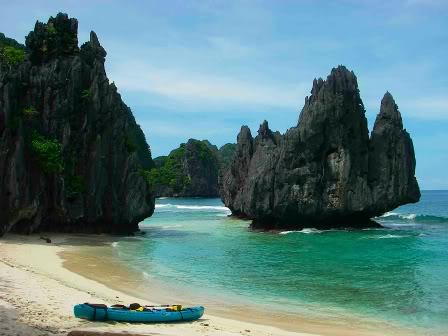
The massive limestone cliffs in El Nido.

The clear, blue waters of Cebu.

The lush, rolling hills of Batanes.

The almost-perfect cone of majestic Mayon Volcano.

These are just some of the awe-inspiring sites to behold when traveling around the Philippines.

I’ve been fortunate to have traveled to quite a number of lovely places in the country primarily because of my profession, and due to a brief stint in the government in the early '90s, accompanying three successive Cabinet secretaries who frequently monitored their agency’s provincial projects.

Nothing compares to the beauty of the Philippines, simply because it offers a myriad of choices to travelers of all persuasions and budgets. And whether you’re a fellow Filipino or a foreigner, one can be sure of friendly locals at these tourist destinations, eager to help and ensure you have a great time.

Here are some of my favorite places in the country:

Albay

Mayon Volcano as seen from the Cagsawa Ruins.

THE still-active Mayon Volcano is one of the most moving and powerful sights I’ve ever been fortunate to behold in my life. Its near-perfect cone is simply breathtaking.

Aside from trekking to the volcano, you can also take an all-terrain vehicle straight up to the lava front. Other sites to visit are the Our Lady of the Gate Parish Church in Daraga that was built in the 18th century, the Cagsawa Ruins, Busay Falls, and Liñgon Hills where an underground tunnel built by the Japanese forces can be found.

Of course, the best part about visiting Albay is eating spicy Bicolano dishes, such as Bicol Express, a variety of meats and fishes cooked with coconut milk, and my favorite dried fish called New Look.

Where to stay: Hotel Venezia (www.hotelvenezia.com.ph) if you’re staying in Legazpi City and want comfortable, clean and value-for-money accommodations. For a luxury feel, check out Misibis Bay Resort in Cagraray Island (www.misibisbay.com).

Batanes

A traditional Ivatan stone house in Basco, Batanes.

SOME foreigners have compared Batanes to Scotland because of its wide-open spaces, lush greenery and deep-plunging cliffs.

Take a trip to “Marlboro Country”—a rolling hill with horses and cows roaming around or feeding on the grass. Visit colorful old churches, such as the Basco Cathedral built in 1783, the Mahatao Church (1787), San Jose Church (1814), etc. And if you can take a seasickness-inducing boat ride to Sabtang (one of three major inhabited islands of Batanes), drop by Savidug, a village of traditional limestone houses still used by the locals (or Ivatans).

Where to stay: Batanes Resort is a 10-minute ride from the capital, and sits on a hill overlooking the sea. Built to resemble the Ivatan houses, the establishment is clean and inexpensive, with basic amenities, such as hot and cold water. They also serve local Ivatan cuisine where I got my first taste of fried flying fish—delish! (For inquiries and reservations, call 927-2393, 0927-5829078.)

Bohol

The tarsier is one of the more popular tourist attractions in Bohol. (Photo by www.nocturnal-animals.com/.)

ASIDE from the world-famous Chocolate Hills, the must-see places in Bohol are the 18th-century churches, such as the baroque-inspired Baclayon Church and Loboc Church, which has an extensive collection of images of various and other religious paraphernalia.

Have a hearty lunch of Boholano dishes while cruising down Loboc River, then visit the smallest primate in the world, the tarsier, in several of the minizoos located along the river.

Other activities include swimming on Alona beach, scuba-diving on Balicasag Island, and dolphin-watching on Pamilican Island.

I was recently told that my favorite resort no longer offers the best customer experience so better click www.bohol.ph/resorts.php for a list of accommodations.

Boracay Island, Aklan

Boracay - the all-time best beach in the country and one of the most popular in the world.

NO doubt the long stretch of white-sand beach and its clear turquoise waters are still the major reasons people continue to flock to Boracay.

Aside from the usual island tours, spa massages, food tripping and bar hopping, and banana-boat rides, there is an amazing number of fun activities that can also be pursued. There’s rolling down a hill in a zorb (www.facebook.com/zorbboracay), feeding the fish while helmet diving, and para-sailing, to name a few.

Visitors have a choice of resorts featuring the barest minimum amenities to the most luxurious, while foodies will surely enjoy an array of local and international cuisine cooked with the most authentic ingredients.

Where to stay: Discovery Shores in Station 1, if you want the best luxury accommodations with the friendliest staff to boot (www.discoveryshoresboracay.com); and Sun Villa in Station 2, for a quiet escape, the best value spa, and home-cooked cuisine (www.boracaysunresorts.com.ph/villa.htm).

Cebu

Visit the Taoist Temple in Cebu City, and make your petitions to the gods.

I HAVE loved Cebu since I started going there in the 1980s. One can be sure of warm, friendly smiles, an inexpensive but belly-busting meal, and just great entertainment because after all, isn’t this the land of country’s best singers? And, of course, the tasty, herb-filled Cebu lechon is simply one of the best-tasting in the country.

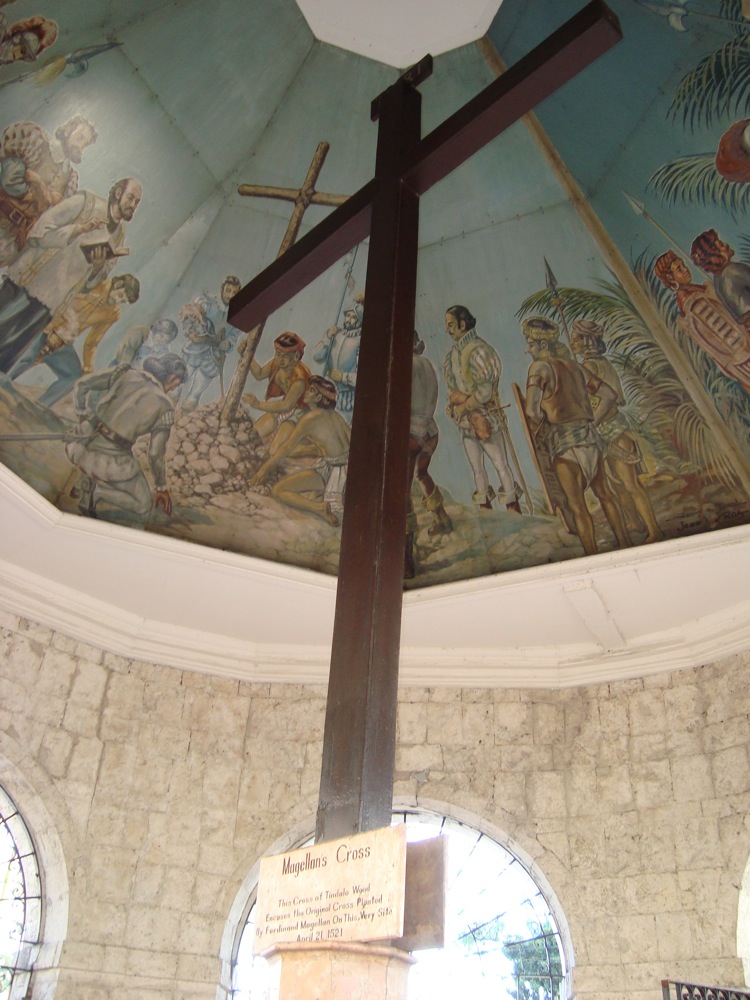
Some of the most interesting sites are the Shrine of Magellan’s Cross which was planted by the Portuguese explorer Ferdinand Magellan’s men upon his arrival in Cebu in 1521; the Basilica Minore del Sto. Niño where the oldest image of the Christ Child is enshrined; and the Taoist Temple, which is guarded by fierce dragons and where the local Chinese go to pray and seek favors from ancestors and ancient gods.

Also take a trip to Carcar, which is less than an hour drive from the city, which is famous for its chicharon, leather sandals, Spanish-era and American-period houses, and the historic St. Catherine’s Church, which is the second-oldest church in Cebu, after the Basilica Minore del Sto. Niño.

Where to stay: BE Resort in Mactan for its hip, cool interiors, beach and tasty restaurant dishes (www.beresorts.com); Islands Stay Hotel in Cebu City for a value-chic stay (www.islandsstay.com) accessible to major malls, offices and tourist sites in the city.

Davao

Dr. Bo Puentespina's 'bird talk' at the Malagos Garden Resort's interactive bird show. (Photo courtesy Malagos Garden Resort.)

DAVAO’S marketing slogan “From islands to highlands” says it all.

You will need boundless energy and at least a week to enjoy all the pleasurable offerings of this region.

Climb Mount Apo and catch the sun breaking through the clouds; visit the mighty but endangered Philippine eagle at the Philippine Eagle Center; watch an entertaining interactive bird show at the Malagos Garden Resort; see the creepy bat cave on Samal island; or go ziplining in what is reputed to be Asia’s longest, which is definitely not for the faint-hearted.

Eating durian can be a challenge to first-time visitors—it tastes like heaven but smells like hell, goes a local saying—so if the smell is off-putting, you can try its other variants like candies, coffee (at the homegrown Blu Gre café), or ice cream (Donnabelle brand). Other than durian, pomelo and mangosteen are also plentiful and readily available in the market, supermarkets, and roadside fruit stands.

One of the remarkable food finds in Davao is the artisanal goat cheeses under the brand of Malagos Farms which are comparable in texture and taste to the foreign brands.

Where to stay: Marco Polo Hotel (www.marcopolohotels.com) is still the finest hotel in the city with its large comfortable rooms, and possibly the best Chinese restaurant in the area.

Palawan

Massive limestone cliffs dot the clear torquoise waters of El Nido, Palawan. (Photo from www.e-philippines.com.ph.)

ONE of my most memorable trips has got to be in El Nido, in northern Palawan.

Take a pump-boat ride and marvel at the colossal limestone cliffs or swim in the clean waters of Bacuit Bay where you can see schools of colorful fishes and other marine life. Or why not stop by a sandbar and enjoy the cold powder-fine, white sand under your feet?

Where to stay: Miniloc Island Resort (www.elnidoresorts.com) is in itself a tourist attraction, with its lush surroundings and water cottages built on stilts.

A must-see in Palawan is the Puerto Princesa Underground River, which has been gaining a massive amount of publicity since it was named one of the New Seven Wonders of Nature. The main attraction is the St. Paul’s underground cave where stalactites and stalagmites have formed over the years.

Where to stay: Hotel Fleuris in Puerto Princesa (www.fleuris.com) loves hosting groups—whether families or friends, so make sure you avail yourself of its barkada package.

By no means is this list complete. There are so many other gorgeous places to visit in the Philippines, and where travelers are assured of warm smiles and fun times.

(This piece was originally published in the BusinessMirror, Feb. 26, 2012. All photos by this blogger, unless otherwise specified. All rights reserved.)

February 20, 2012

Infrastructure budget to support tourism

Tourism Secretary Ramon Jimenez, Jr. shares his agency's development plans for 2012 in his keynote speech during the Philippine Tour Operators Association’s (PHILTOA) 1st General Membership Meeting for 2012 at the Hotel Intercontinental in Makati City on February 8, 2012. The gathering drew various representatives from the tourism sector, as well as key personalities such as Ilocos Norte Rep. Imee Marcos and Travel Time host Susan Calo Medina.

THE P128-billion government infrastructure plan for 2012 includes the construction or renovation of important tourism facilities that will help the country eventually attain its goal of attracting 10 million tourists by 2016.

In his keynote address at the first general membership meeting for 2012 of the Philippine Tour Operators Association at the Hotel InterContinental in Makati City, Tourism Secretary Ramon Jimenez Jr. said accessibility to major tourist destinations is one of the key focuses of the National Tourism Development Plan. “This will be improved with the frontloading of [expenditures] for transportation and infrastructure projects such as the upgrading of major hubs for both sea and air. For the first time, the bulk for infrastructure [spending] in 2012 will be for tourism.”

Among the major tourism projects are the upgrade of the Puerto Princesa airport to an international airport “which can receive 747s someday,” and in the medium-term, the improvement of airports in Mactan, Cebu; Panglao, Bohol; and Kalibo, Aklan as well. The infrastructure program also includes the implementation of the North Luzon and South Luzon expressway ‘’connector projects,” and the upgrade of sea ports which would encourage major cruise lines to dock in Manila at a time when these companies “are beginning to look at Asia again.”

Jimenez also disclosed ongoing negotiations with Singapore tourism officials to create a “Sunshine Trail” that will bring tourists in Singapore to the various tourist destinations in the Philippines. He said the Changi airport already serves as a major gateway to the Philippines, “all we have to do is pull the value out of the Singapore market and bring it to us.” He said Singapore will be spending for this marketing effort, “atin lang ’yung beach.”

Underscoring that the government is already doing its job by financing tourism infrastructure projects and embarking on a marketing campaign, the DOT chief also urged tour operators to support these efforts by offering “competitive” travel packages to the country.

“We must review our pricing. Our new marketing slogan is based on a simple word, ‘fun.’ But how much fun is our fun? Competitive ba tayo? ‘It’s more fun in the Philippines’ is not just a slogan, it’s a competitive marketing strategy. So we should ensure for example, that a boat ride here costs the same as boat rides in other places,” Jimenez said.

One of the more common complaints even by local tourists is that it is more expensive to travel within the Philippines than to go abroad. Also, foreign travelers have noted that fees in some tourist destinations like environmental fees and user’s taxes seem indiscriminately charged.

In an interview with the BusinessMirror, Philtoa President Cesar Cruz expressed optimism that the 4.2-million tourist arrivals targetted by the DOT this year “is definitetly achievable. As the secretary himself said, whatever happens, it’s still more fun in the Philippines. Just keep the positive attitude on the part of the stakeholders, tour operators, hoteliers and accommodations sector—we keep focused on that [the slogan], and we will not be distracted by these disasters which also happen everywhere.”

“Ultimately, any campaign will only be as good as the product,” he said. “We believe that community-based tourism projects and products, coupled with experiential activities such as eco adventures and cultural thematic tours, will be the way to go if the country wants to meet its projections.”

Philippine Tour Operators Association president Cesar Cruz expresses optimism for the tourism industry's growth this year during Philtoa 1st General Membership Meeting for 2012 at the Hotel Intercontinental in Makati City held on February 8.

On the issue of offering competitive prices as per the DOT chief’s suggestion, Cruz said: “We will make an extra effort to review our rates and make them more competitive. But at the end of the day, what is reality is the law of supply and demand. We really must come up with the extra capacity to be able to come up with these pro-rated accommodations.”

During an open forum after his speech, Jimenez also revealed more positive developments that would boost tourist arrivals in the country.

He said he was hopeful that the Federal Aviation Authority would soon revert the country to Category 1 safety status, which would in turn, encourage the European Union to lift its ban on Philippine carriers. “We’re currently awaiting the [FAA] audit. That in itself is a good signal because you can’t be scheduled for an audit if you’ve not passed the pre-audit. So we’ll get that audit at the close of the first quarter.” The country is currently under FAA’s Category 2 status, which prevents Philippine carriers from expanding its routes in the US.

He added that a legislative bill is currently being crafted that would eliminate the common carriers tax charged on foreign carriers. The Department of Finance earlier bucked plans to eliminate the CCT as this would result in revenue losses. “We’re finally gaining ground because even the DOF is part of the new attitude that competitive pricing is more fun.”

Moves are also under way, he said, to remove Customs, Immigration and Quarantine (CIQ) charges as well. “There will be three workshifts to discourage overtime pay among immigration and customs staff. They will be paid a night differential instead, with the cost to be paid by the government, not the airlines.”

The country will also benefit from the Single Asean Visa that Asean tourism officials are currently working on. “We will make that a reality soon, maybe in the next year and a half. So anyone can walk into a Singaporean or Malaysian embassy anywhere in the world and get an Asean visa. This will enable him to automatically go to the Philippines. This is important for the European, US and Chinese markets,” Jimenez said.

For their part, members of the Philtoa also asked the DOT chief to look into new regulations by the management of the Ninoy Aquino International Airport that prevent travel agency representatives from personally meeting their arriving clients, and disallow transiting tourists from leaving the airport terminals and going on short city tours.

Philtoa has also adopted the “It’s more fun in the Philippines” campaign for the 23rd Philippine Travel Mart, a travel trade show featuring Philippine tourism destinations and hugely discounted tour packages. An annual event of the Philtoa, the PTM will be held from August 10 to 12 at the SMX Convention Center in Pasay City.

Organizers of the PTM project an increase in both the number of participants and visitors this year. Last year’s expo recorded some 77,000 individuals in foot traffic and generating gross sales of some P33 million.

(My piece was originally published in the BusinessMirror on Feb. 9, 2012. Photos courtesy Geiser Maclang PR)

January 09, 2012

Impressive, incredible, sensational (slogans)!

WHILE doing research on the tourism slogans of other countries, I stumbled on the site of travel blogger, Fiona Cuillinan. In 2009, she compiled a list of slogans used in a number of countries, including our own (back then it was still "Wow Philippines, of course).

So I'm posting her list here. An asterisk means it's an updated entry or correction.

Albania A New Mediterranean
Anguilla Feeling is Believing
Aruba One Happy Island
Belize Mother Nature’s Best Kept Secret
Brazil Sensational!
California Find Yourself Here
Canada Keep Exploring
Croatia The Mediterranean As it Once Was
Ecuador Life at its Purest
Viva Cuba
Egypt Where It All Begins
El Salvador Impressive!
Visit Finland Breathe
Visit Florida
Florida Keys Come As You Are
France Rendez-Vouse En France
Germany Affordable Hospitality
Grenada Rhythms of Spice
Hong Kong Best Place Best Taste
Hungary A Love for Life
I heart New York
Incredible India
Indonesia Admit It You Love It
Italy Much More
Jamaica Once You Go, You Know
Cool Japan
See the world. Visit London
Malaysia, Truly Asia*
Maldives Sunny Side of Life
Montenegro Wild Beauty
Namibia Land of Contrasts
New Zealand 100% Pure
Romania Land of Choice
Discover Peru
It's more fun in the Philippines*
Uniquely Singapore
Slovakia Little Big Country
Slovenia I Feel Love
I need Spain*
Switzerland Get Natural
Taiwan Touch Your Heart
Tanzania Land of Kilimanjaro Zanzibar and the Serengeti
Texas (visual representation of ‘Everything’s bigger in Texas’ – I think)
Amazing Thailand

Btw, the "I❤NY" is probably the longest-running tourism slogan in all of history, and according to marketing experts, it is the most successful as well. No wonder New Yorkers don't have any reason to change it. It was created in 1977 primarily for New York City, but was later adopted as a campaign for the entire NY state.

September 10, 2011

Where were you on 9/11?

(Photo from the Intel Hub.)

I WAS, not surprisingly, burning the midnight oil at the office (I was still working as associate editor at Manila Standard then), and advancing some of my pages for the next issue.

As I was busy editing news pieces, the young proofreaders and layout artists who were glued to CNN, suddenly shouted, "Ma'am! Me plane na nag-crash sa Twin Towers!" I hurriedly arose from my seat and went over to the TV and saw the smoke billowing from one of the towers. Immediately I thought, and said aloud, "Terrorist yan."

(I don't know why I was so sure about it. The initial reports were saying it was a possible accident. But somehow I knew this was not just some airline pilot who suddenly lost control over his plane. The sky was just so blue, and the sun so bright, how could anyone fly a plane accidentally into the towers? And of all places, in New York's World Trade Center?!)

Even before I had the chance to text/call my editor in chief Jullie Yap Daza about what had just happened, the second plane crashed into the other tower. It was like watching a movie, and for some reason, today, it has become a slow-motion visual in my mind's eye. It was totally unbelievable, and yet I saw it happening right before my eyes. It chilled me. And of course, it confirmed my initial belief that this was the work of terrorists.

I immediately checked our wires for the stories that we would use, because for sure, we would have to remat the front page w/c had already been put to bed about an hour before. Everything after that was a blur. I was just running on automatic, and I remember Ms. Jullie and our publisher Andy del Rosario, rushing into the office not soon after, and managing the remat of the front page. (We later learned another plane also had crashed into the Pentagon and at a field in Pennsylvania - check the BBC Timeline of events here. I watched the two towers finally come crashing down, and it just silently shook me. "Why? Why? Why?" I thought to myself. It was just too terrible to watch and yet we were all glued to the TV.)

I finally went home to my flat very late in the evening, switched on the aircon and TV, and after a quick bath and change into my night clothes, settled into my bed. I kept switching channels between CNN and the BBC trying to find out more of what had just happened, and more importantly, who did it and why. I just kept absorbing all the reports and images being broadcast. I said a silent prayer for all the lives that had been lost, for sure there were many, because it was a work day, and it was morning in New York.

I don't know what time I finally slept, but I knew I still had the TV on, and when I woke up, the same images of the towers w/ the billowing smoke, w/c then finally came crashing down were still looping, then the other crashes at the Pentagon and Pennsylvania, but with a different news presenter this time. He/she - I don't remember anymore who was annotating the broadcast – was repeating the same reports and information we had already by then published in our paper that morning.

It would be a very weird week, and a few months. People just couldn't stop talking about it. We may not have been there in NY (or in Washington DC) where the unfortunate attacks happened, but the images remained vivid in our heads. Somehow, I too felt a sense of loss and was very disturbed about what happened. We were entering a strange phase in our lives as global citizens.

(Then US President Bush is told of the second plane that crashes into the WTC. Photo by Getty Images)

I later learned that a media colleague was still waiting word about her sister who was working at the Twin Towers at that time the planes crashed into them. I wrote in my column that I hoped that she would only receive good news about her sister. But in my mind I thought, I wished her and her family the courage to accept whatever result from their search may turn up.

A few months after, I was reading that security measures at the US airports were beefed up, w/ racial profiling at its extreme. Anyone who looked Middle Eastern was being asked to step to one side for further checking. Even some Filipinos had experienced some dustups w/ the US Immigration upon arriving at US airports as well.

(I had traveled to London only a few months after 9/11, and I was surprised that things were different at the Heathrow airport. After clearing immigration almost immediately upon landing, my media group was out the terminal. The only reminder of the terrorist attacks in the US, was the constant annoucement on the PA system as we were heading back to Manila after a week, for us to make sure we had our luggages w/ us all the time. I don't know if the situation is still the same there today since the terrorist bombings over there.)

After the attacks in the US, our malls and hotels went into hyperdrive - employing their own brand of security measures (the magic patpat for the malls, the bomb-sniffing K9 for the hotels). To this day, the practice continues and it's already automatic for us to just open our handbags, whenever we enter a department store and we pass through the establishment's security check.

10 years after, we have X-ray machines deployed in major airport terminals in our country. Whenever we take trips, we have to be at the airport at least 3 hrs before departure - for international flights - and two hours for domestic flights. Airline insurance surcharges have risen...but yes, we still keep flying.

We are more aware of our surroundings, eyeing bags or containers left to a side with suspicion, we constantly look at the people around us (of course, this is also to protect us from pickpockets), and treat security guards w/ more respect.

The 9/11 terrorist attacks may have changed all of us, making us take more precautions wherever we go, but we keep going. We have resumed our lives and our usual activities, but we still manage to enjoy ourselves and what the world has to offer us. And because of that, I know these evil terrorists have lost. We have suffered, but we keep moving forward.

Thank you Lord, for giving us the grace and courage to keep on living.

****

(NY firefighters raise the American flag at Ground Zero. Photo from the Cleveland Seniors.

According to TV5's news web site, Filipinos are among the least trusted nationalities since the US govt beefed up security policies after 9/11, often experiencing ethnic profiling. Read Interaksyon's special report "10 years after 9/11" here.

ABS-CBN News also has its own reports on the 9/11 anniversary on its website. Read here how they are commemmorating the event.

Here is also an interesting story from the New York Times, on Muslims coming of age in the decade after 9/11 : The 9/11 Decade.

As we all know, the situation in the Middle East has dramatically changed since 9/11 - I don't know if it is for the better. Former strongman Saddam Hussein of Iraq was captured and executed, Iran has become a rising power in the region, and just recently, Osama bin Laden, mastermind of the 9/11 and other global terrorist attacks has been captured and killed as well, thanks to the leadership of US President Barack Obama.

We all hope that the latter would've weakened the Al Qaeda and its affiliates - but even today, New Yorkers have been alerted to a possible attack. Here in the Philippines, the authorities too are on heightened alert.

Pls. pray that tomorrow's 10th anniversary rites for 9/11 will be quiet and peaceful, and for the eternal repose of the souls of those who had perished.

(Aerial view of the Ground Zero Memorial by Raja Ramchandra.)

September 05, 2011

Saigon sojourn

MY friends and I jetted off to Saigon during the recent four-day holiday, and one of the things we did was to watch the hugely entertaining Water Puppet show. Even the adults enjoyed it. Major aliw factor.

What I'm posting is just one of the acts-it's actually a 50-minute show w/ live music and singing, and amazing puppetry skills. I believe only Vietnam has this water puppet show, and I'm told Hanoi also has its own version.


We also traveled to the Tay Ninh province, northwest of Saigon, and marveled at the ornately designed Cao Dai cathedral. Cao Dai is a religion unique this province and blends the belief systems of Christianity, Taoism and Buddhism. We stayed for a while to observe their noonday service.


More about my Saigon vacation in future posts.

June 18, 2011

Uptick in foreign leisure travels by Pinoys seen*

THE 39-year-old Rajah Travel Corp., a leading full-service travel agency in the country, sees an uptick in foreign travels by Filipinos this year, owing to the depreciated US dollar. This is projected to boost the travel firm’s bottom line by 30 percent, said its president, Aileen Clemente.

Clemente, who is also incoming president of the Philippine Travel Agencies Association (PTAA), is also optimistic that the 3.7-million target in tourist arrivals by the Department of Tourism for 2011 would be attained despite the scrapping of the “holiday economics” scheme of the previous administration.

In an interview, she told the BusinessMirror the changes in visa requirements for visiting Indians would be a big boost to tourist arrivals. “Any Indian national can stay here for 21 days. Conversely, the same is true for Filipinos visiting in India. And [Philippine Airlines] is now flying the route,” she said. “[This is a big market] both for corporate and leisure travelers because of the call centers [business-process outsourcing companies], because the backup of one [country] is the other—that’s India and the Philippines.”

She noted as well “huge investments” in the construction of resorts in the country, some of them with foreign owners who will tap the “database of their clients.”

Other factors that will enhance tourist arrivals to the Philippines, Clemente said, are the forthcoming daily flights of All Nippon Airways (ANA) between Narita and Manila, as well as the recently announced “pocket open skies” policy of the Aquino government.

Separately, Tourism Secretary Alberto Lim said: “This new service between Narita and Manila will help us obtain a larger share of the Japanese outbound travelers. We are confident that the direct link, complemented by efforts of the Jata [Japan Association of Travel Agents] intermediaries, will stimulate stronger traffic from this major source market.” ANA flights will commence on February 27, with the inaugural flight bringing in Jata chairman Akira Kanai. Jata is the biggest association of travel and tour operators, accommodation and transportation providers and even academic and legal institutions in Japan.

According to Department of Tourism (DOT) data, Japan is the third-largest tourist market for the Philippines, growing 10.4 percent to 358,744 visitors in 2010, from 2009. Japan also accounts for a 10.2-percent share of total tourist arrivals in 2010, which reached 3.52 million, surpassing the DOT’s target of 3.3 million. Korea accounted for the largest share of total arrivals at 740,662 or 21 percent, followed by the US, at 600,165 (17 percent).

Currently, four airlines combine for 61 flights weekly from Japan to the Philippines. PAL accounts for 32, Japan Airlines for 14, Delta Air Lines for 12 and Cebu Pacific for three.

(AILEEN CLEMENTE, left, incoming president of the PTAA, and Ma. Paz Alberto, chair of the 18th Travel Tour Expo and outgoing president of the PTAA, brief the press on the 18th Travel Tour Expo 2011, on Feb. 8, 2011. Photo by NONIE REYES)

For her part, Clemente said while the issue of the pocket open skies remains “quite controversial…if it is studied properly, [critics would] know its benefits to economic growth, even if confined to say, Clark [Pampanga].” In pursuing a liberalized aviation sector, the Aquino administration has decided to give flying frequencies to airlines of countries which will give reciprocal flying rights to Philippine carriers.

Per President Aquino’s Executive Order 84 issued in December, there are only seven three-day weekends in 2011 as most holidays are now pegged on their actual dates. Former President Arroyo practiced what was dubbed “holiday economics,” or moving some holidays to the nearest Monday or Friday, which allowed Filipinos to take vacations. Many tourism establishments and travel agencies credited the boost in domestic tourism sales to this practice.

Meanwhile, Rajah Travel’s optimistic projection for 2011 is anchored on an anticipated boost in foreign travels by Filipinos. Tour packages under its “Insight Vacations” brand, which are premier escorted tours to Europe, the US and Canada, are now selling 17 percent lower than usual rates. “We have good rates right now,” Clemente said, adding that Insight Vacations tours are “really a worthwhile investment” for Filipino travelers. Aside from Insight Vacations, the firm also targets middle market, value travelers, luxury travelers and domestic tourists via its other travel brands.

In 2010 the travel agency’s sales were up only 12 percent, due to sluggish foreign travels. Several international airlines had to reduce or halt some flights last year due to the ash clouds which were formed from the Iceland volcanic eruption. While the firm’s vacation packages to the Middle East may be affected by the current political troubles in the area, Clemente still remained “confident we can attain our 30-percent target [this year] because of the depreciation of the dollar,” making foreign travel more accessible to a wider market. “We have good deals,” she stressed.

She said Filipino first-time travelers usually go first around Southeast Asia. “Those who have been to Southeast Asia will go to other parts of Asia, and the most popular [destinations] are Japan, Korea and China. Those who can go farther will go to Australia, the Middle East, then the Mediterreanean, then Europe.”

Rajah Travel is one of the major participants in the 18th Philippine Travel and Tourism Expo from February 18 to 20 at the SMX Convention Center, which is organized by the PTAA. Over 250 companies—travel agencies, tour operators, as well as local and international airlines, hotels and resorts—will be participating in the travel fair.

Exhibitors will offer the public heavily discounted travel packages, including airfare and accommodations, only on those expo dates, the PTAA said. About P300 million in sales are projected to be generated from this year’s expo, up 42 percent from its P210 million sales in 2010.

*(Forget to post this earlier. My piece was originally published in the BusinessMirror on Feb. 17, 2011.)

November 26, 2010

Why Campaigns & Grey proposed the ‘Pilipinas Kay Ganda’ slogan*

(One of four 'exploratory advertising concepts' proposed by Campaigns & Grey to the Dept. of Tourism. The others are here. All images courtesy C&G.)

AS I was listening to Yoly Ong, group chair of advertising giant Campaigns & Grey explain why they had proposed the “Pilipinas Kay Ganda” brand to the Department of Tourism – aside from four other brands btw, all in English – I was almost half-convinced that it could’ve worked.

I know, I know – most of you probably don’t want to hear about it anymore. But apparently there was some sound basis for creating the brand, despite an admitted lack of research and test inputs from the targeted market, which was apparently, the Filipino migrant communities (Fil-migs), especially those residing in North America.

In 2009, as per data from the DOT, there were 3 million tourist arrivals, down 4% from 2008. Of last year’s arrivals, the largest chunk at 582,537 (19.31% of total) came from the United States. This was followed by Korea (497,936), Japan (324,960), China (155,019), and Australia (132,330). Tourists from Hong Kong were 122,786, accounting for only 4% of total arrivals, even before the botched hostage rescue on Aug. 23 occurred. Overseas Filipinos, or Philippine passport holders permanently residing abroad (excludes overseas workers), who visited in 2009 were 197,921, up 1.35% from 2008.

Ong said she didn't understand why there was so much anger at the use of the Filipino language. Tourism stakeholders and many bloggers, including yours truly, felt English should be the language used in the DOT campaign. "Let’s say that roughly, 20% of the Fil-migs understand Tagalog. Koreans, Japanese, and Chinese [which DOT was targeting for its campaign], do not understand English either!” she said.

“If we go by that argument that Tagalog only appeals to our fellow Filipinos, look at the data. The 580,000 visitors from North America are what DOT calls ‘low-lying fruit’. Do you know how many Fil-migs there are? Almost 10 million! So if we just got the 10M to come, just once, we would have a 300% increase [in tourist arrivals]! And we would be no. 2 [in Asia] like Singapore. Because by their numbers, there were 23 million [arrivals in] Malaysia, No. 2 was Singapore at 9 million, No. 3 Thailand, No. 4 was Indonesia, No. 5 was Vietnam! Only 700,000 tourists more than us last year!,” she added.

I was interviewing Ong, along with Marilyn Villapando, C&G chief of corporate affairs on Nov. 23, Tuesday, at the Edsa Shangri-La Hotel where they were holding a planning seminar. Four hours later, DOT Undersecretary for Planning and Promotions Vicente “Enteng” Romano III, irrevocably resigned his position, accepting full responsibility for the PKG branding exercise. He later admitted in his press briefing, that it was rushed.

(Yolanda "Yoly" Villanueva-Ong, C&G group chairperson)

Inspired by Pacquiao, Black-Eyed Peas

Don’t get me wrong. I don’t think the PKG brand is the best slogan ever created in the history of Philippine tourism, but neither did C&G apparently. The agency actually submitted four other “advertising concepts” to Romano. “We chose five [concepts], because normally, what we do is we try to go to the closest to where they came from, and close to what is generally expected of a tourism campaign, which is the ‘adjective campaign’ – ‘Amazing’, ‘Incredible’, ‘Charming’, whatever, ‘Truly Asia’,” Ong explained.

“And it was going wilder and wilder. Last one was really a trial. ‘What if we created a campaign that had primarily a Tagalog word?’ Kasi nga, we don’t have research. We were only using our own insights.” She added that they took inspiration from one of Black-eyed Peas’ hits “Bebot”, composed by Filipino-American apl.de.ap, and had in mind Manny Pacquiao’s recent string of victories versus his boxing opponents.

“So we had a feeling that there was a curiousity about the Philippines and maybe ‘Kay Ganda’ would become like ‘Aloha’, but always with a translation incorporated in the logo. In fact, if we were to do a storyboard, it would have included Pacquiao, Lea (Salonga), Arnel (Pineda), Charice…interspersed with sceneries with e.g. Koreans, saying ‘Kay Ganda’ in their funny accents,” she further expounded.

The usual branding process

Under normal circumstances, especially for private sector clients, planning for a whole brand concept takes about a year, Ong said. This comes after an intense three years conceptualization of the vision for a new brand, as was the case for Procter & Gamble, a C&G client. “And as it comes closer, they flesh it out with programs and then everything. Nothing airs without testing,” she emphasized.

She added that if the client is going to tap a new market, it “mines insights” from targeted consumers. “Of course, not everybody can afford that kind of process. Sometimes we do shortcut it, but always, always, always, before you produce, before you spend one centavo on any production before airing, you test. That is something we will never violate. Even on a 90-day political campaign, we will test it first.”

Ong said, Romano contacted them in August asking if the agency could do a “Brand Architecture.” He wanted to know the “strategic approach” to arrive at a new brand to replace “WOW Philippines”.

“In fairness, he asked us to write out a TOR (terms of reference),” she said. So they sent him a proposal in early September priced at “P550,000 plus VAT. That’s the process. And the end of that is directional. It was with the understanding that it was a friendly-friendly rate. And he said he’ll find a way to have it approved,” Villapando said. So this was what Romano was referring to when he told me that the branding concept, including research, was “less than a million pesos, a friendly rate.”

Soon after, DOT was rushing them to come up with “Exploratory Advertising Concepts” ('adcepts') instead, which were the five that the agency eventually submitted. Ong said they had just a week to come up w/ those adcepts. By October 27, when Ong said she left for abroad, no concept had been approved. And by then, there was no more talk of how much the agency would be paid for its efforts. “I didn’t think it [the launch] was even going to push through because when I left, things were tentative. Then when I came back (Nov. 11), I was surprised that there was a launch already (Nov. 15).”

(One of the many logo designs submitted by Campaigns & Grey to the Dept. of Tourism.)

Of the five adcepts C&G submitted, DOT chose the Filipino slogan, but Romano didn’t like the agency’s earlier renderings of the ‘Pilipinas’ logo. He showed them the different logos of Spain, Maldives, Italy, and Poland, to emphasize the trend in logo designs abroad, which were “playful and light.”

The Polska fiasco

Ong dismissed accusations that they plagiarized the logo from ‘Polska’, stressing that the only thing the same with the ‘Pilipinas’ logo was the font. “The font is common. The colors are different. ‘Polska’ is all red. ‘Pilipinas’ is in different colors – there’s red, blue, in fact, I never even saw it before I left, because [the design was being sent] back and forth [from us to DOT], back and forth. So the final logo had the tarsier, the smiling coconut and the sun. President Aquino suggested the tarsier and smiling coconut. Bertie Lim was telling the truth.”

She said even the Grey Global's legal counsel said the logo, “wasn’t plagiarized. In fact, 'it should be Poland which should complain. It’s far [from the original Polska logo]. So it’s not plagiarism at all,' he said.”

In the end, the preview, or launch, whatever you want to call it, was just “too premature and the scale was a little too big,” she said. Ong also stressed that she had no inkling of the grandness of the affair, and was present for the event, contrary to what I had published earlier in my blog. (Sorry, my bad people! Off with the heads of those sources!) But she and Villapando left right after the unveiling of the new slogan, and “before the dancing girls came in.”

Ong also clarified that even if the PKG concept had been approved, the P200-million brand campaign budget of the DOT in 2011, would not go to C&G alone, as alleged by several quarters. “That [amount] includes production and media placements, and that’s the costliest expense. And you know, we were not really going to join in the bidding [for that]. If anyone [approved] the concept, then we would have created a storyboard, and then they would call for a bid for production houses, to execute the storyboard that we made. We’re not part of that. Then the media portion, which is 85% of the budget, is again to be bidded out among media agencies. We’re not a media agency! Our only part is the concept,” which isn’t part of the P200-million budget.

People might think all this is already moot and academic. In fact, I was thinking twice of even publishing this interview, as the issue is already considered yesterday's news. But I suppose, everyone who was involved in the controversy deserves to be heard. I doubt it would change the critics’ view on the PKG slogan. I still don't think it's the best, but I now appreciate the creative process that usually goes into thinking up of a new brand. Unfortunately, the entire branding process was fast-tracked, and you had DOT execs claiming that there was much research put into making the PKG brand. In fact, there was barely any.

The good thing that's come out of controversy, if any, is that the DOT will probably be more careful and not waver from accepted methology in coming up with a new PH tourism brand. Also, it's great how netizens tried to come to DOT's aid to help them improve its web site and propose more concepts for the brand.

It’s just unfortunate that in his eagerness to put out a brand campaign by 2011 aimed at boosting tourist arrivals, Romano made too many shortcuts, went overboard in launching a brand that should've first been tested, and caused a lot of negative feedback, thus imperilling the reputation of the gov't agency he worked for. And for that, rightly so, he had to quit. It was the honorable thing to do.

*The transcript of this interview will be published on Monday, Nov. 29, in the Marketing section of the BusinessMirror.

November 23, 2010

DOT's Romano quits over branding flak (updated)

TOURISM Undersecretary Vicente Romano III tendered his irrevocable resignation Tuesday, taking full responsibility for the ‘Pilipinas Kay Ganda’ branding concept, even as he didn’t dismiss the possibility that camps who were against the "open skies policy" pushed by the department could be responsible for blowing up the issue into a controversy.

In a press briefing at the Department of Tourism following a meeting with President Aquino, DOT Secretary Alberto A. Lim said he accepted Romano’s resignation, and “hope[d] this put an end to the issue.” In Romano’s stead, the office of tourism planning and promotions would be temporarily headed by an officer-in-charge, assistant secretary for international tourism promotions Benito Bengzon, Jr. Bengzon is currently spokesman of the DOT as well.

Lim also added that the DOT would undertake “brand consultations with all stakeholders” and appoint a panel that would short list all recommendations. These, in turn, will be “subjected to market tests and focus group discussions.”

(Resigned DOT Usec. Vicente "Enteng" Romano III)

For his part, a somber Romano, said he tendered his resignation voluntarily, adding that no one pressured him to resign. “Nung pumutok ito nasa Amerika ako (when this blew up, I was in the U.S.), the first thing I did was to offer my resignation to Secretary Lim. I thought it was unfair that he was fielding all these questions [on my behalf].” His family and friends from the Black and White Movement were on hand to lend him support during the press briefing. He said he still had “no plans” what do after his resignation. “I just want to rest and try to reflect.”

Asked if there were sectors out to take advantage of the controversy, including those who were against the open skies policy being espoused by the government, Romano said in Filipino: “I suppose there are some sectors and some personalities who don't agree with the leadership at the DOT so maybe they wanted to blow up this issue.” Asked directly if Philippine Airlines owner Lucio Tan could be behind it, the resigned DOT official said: "I will reserve my comment on that if you don't mind."

Romano also absolved President Aquino and Secretary Lim from any involvement in the branding project, saying that both men had actually impressed on him to do a market study, and to postpone the preview, respectively. “When I presented the brand to the President, he had his own misgivings about the brand and specifically instructed me to do a comprehensive market research before launching it. I assured him it was just a preview event and we will do research after.” He added that Lim trusted him to go ahead with the preview despite personal misgivings that the event would be held on said date.

The PKG brand was previewed in a large-scale affair at the Oceana, San Miguel by the Bay, Mall of Asia on Nov. 15, complete with 3D video, dancing girls, fireworks and catered food. Tourism stakeholders who attended the event have said they were “stunned and disappointed” to see the new brand/slogan, especially since this was done in Filipino. Most felt the slogan should be in English, which is understood globally.

A disbursement voucher as well as other documents published by Malaya columnist and blogger Ellen Tordesillas indicated that the “approved budget for the Launching of the New DOT Philippines Branding…” cost P3.77 million. A Land Bank of the Philippines check was issued on Oct. 18, 2010, to the Tourism Promotions Board, an attached agency of the DOT, which hired the services of the event producer, sent out the invites, paid for pyrotechnics, hired the audio-visual producers, the caterers, and entertainment.

The largest cost, at P995,000 went to the production of a “one minute 3D animation of Philippine brand logo” to Animation 1 Inc. headed by one Edward Travis. Sources in the advertising industry expressed shock over the amount spent saying that “it already costs as much as a 30-sec. TV commercial.” A typical 30-sec. spot is priced about P1 million. (See documents below)

Romano also admitted to this blogger that it was his daughter Denese Romano who directed the event, but he said her services were for free. “I asked my daughter to direct it, but it was pro-bono. We only had 2-3 weeks to prepare for this. So I wanted to use a tried and tested director. In all the meetings, I brought her and introduced her. Sana wag lagyan ng kulay itong ginawa nya.

Romano denied that the PKG logo was “plagiarized” from Poland’s logo, as asserted by many quarters. He said “getting inspiration from existing designs is not an uncommon practice. In fact in one of the definitions of plagiarism, it is stated that, “While plagiarism is condemned in academia and journalism, in the arts it is often a major part of the creative process.’ “

He added that while the use of the Filipino language was used in the slogan was also hit, “I am still convinced it is a matter of execution. I honestly think a Manny Pacquiao saying ‘Pilipinas Kay Ganda’ will make a world curious and try to find out what it means.”

Contrary to rumors circulating in social networks, he told this blogger the slogan was never outrightly rejected by DOT’s tourism attaches. “That’s not true. We had a planning conference in Palawan which involved the tourism attaches. Pinakita kung gagamitin ang Pilipinas. Ang ibang markets sabi, 'baka mahirapn tayo pakilala yan dahil sanay sila sa Philippines.' 'Yung ibang markets naman sabi ‘pwede’ kasi sa ibang countries like Germany we’re known as Philippinen. So meron silang mixed inputs."

Romano admitted that he rushed the branding and its preview, and apologized to President Aquino and Secretary Lim for putting them in a spot, as well as to the Filipino public for causing the controversy.

"Before I joined government, I was in the streets clamoring for change. And when I joined, I wanted to spend every waking hour effecting that change.

“I’m in a hurry to have an advertising campaign going on by the first quarter of 2011, because I am fully convinced that every day we do not run a campaign is a lost opportunity to boost our tourism arrivals. It is a lost opportunity to generate jobs and alleviate proverty.

“I now realize that an idea as big as a new country brand needs time to germinate and blossom. There are no shortcuts.”

(Read Romano's full press statement here. Romano photo from his Facebook page)

'Pilipinas Kay Ganda' disbursement voucher
Documents courtesy of Ellen Tordesillas. Also available here

November 22, 2010

More than the usual

THE recent fiasco involving the Dept. of Tourism's 'Pilipinas Kay Ganda' branding/slogan has made many people in the tourism industry yearn for the good old days of sleek and elegant DOT TV ads.

I especially remember this one because it was shown on CNN and BBC although it was just for a short period. I suppose this was because of the lack of a budget for sustained promotions. But it was gorgeous, it made the point about the Philippines, and it was fun. If I'm not mistaken, this also won a tourism ad award in Europe.

Cebu in 48 hours

(Beachfront of BE Resort, Mactan.)

I’VE been going to Cebu since the late ‘80s and have been amazed by how much it has changed in terms of infrastructure, the increasing number of hospitality and food establishments, and gasp…the traffic! Of course, the traffic situation there still pales in comparison to Metro Manila, but gone are the days when one could virtually drive to any destination within Metro Cebu in less than 10 minutes.

One thing stands out in Cebu, however—and this has never changed in all the years I’ve visited—is the über-friendliness of the people. I swear, Cebuanos are really among the most hospitable among us Filipinos; almost everyone will go out of his or her way to make sure a guest will always have the best experience to take back home. (I notice that it’s actually the Metro Manilans who move to Cebu who are not as welcoming, which is unfortunate.)

(Fort San Pedro in Metro Cebu's port area.)

In case you haven’t been to Cebu yet, I suggest the next holiday you have, hop on a plane and go there. All major local airlines have daily flights to Cebu, leaving Manila almost every hour from as early as 5:30 am until 9 pm. (There are flights as well from Clark, Boracay, Palawan, and Davao, although on certain scheduled days.)

There are so many hotels to choose from—from budget deals and mid-range steals to swanky five-star accommodations. The same goes for food and shopping; bars, restaurants and malls are just everywhere! Name it, you have it - the Gaisano malls, SM, Robinsons and Ayala Center.

Transportation is not a problem since there are metered taxi cabs which can drive you anywhere, aside from the jeepneys. Buses ply many routes from Metro Cebu to the outlying districts. There are also a handful of trusty rent-a-car options to choose from.

(Magellan's cross is housed in a shrine protected by candle-wielding women.)

Here are a few suggestions of places to check out if you’re staying at least 48 hours in Cebu. Do the touristy route or check out places off the beaten track, it makes no difference, because you will have a great time, especially if you meet the right people.

* Casa Gorordo—an old house with furniture, paintings and other décor from 1860 to 1920. Located along Lopez Jaena Street, it was owned by the first Filipino bishop of Cebu, Juan Gorordo. Entrance fee P40. (Sorry, no photos of interiors as no cameras are allowed inside.)

* Fort San Pedro—the oldest and smallest fort in the Philippines which was built in 1565 after Miguel Lopez de Legaspi sailed into the country. Its present structure was only finished in 1738. The fort was meant to protect the Spanish conquistadors from local natives and supposedly marauding Muslim pirates. Located in Metro Cebu’s port area, it was later used as a Spanish garrison during the Philippine revolution.

* Shrine of Magellan’s Cross—said to be the cross planted by Portugese explorer Ferdinand Magellan’s men upon his arrival in Cebu in 1521. The original is supposed to be encased in the present one now installed in this chapel in a plaza beside the Basilica Minore in downtown Cebu. Do watch out for the poor beggar kids who will try to harass you for loose change. The uniformed manangs who supposedly guard the Shrine may also sweet-talk you into buying all their candles.

(The Basilica Minore del Sto. Niño is always packed w/ devotees to the Sto. Niño petitioning him for miracles.)

* Basilica Minore del Sto. Niño—the oldest Catholic Church in Cebu established on the site where supposedly a Sto. Niño was found intact in a burned box purportedly left behind by Magellan and his crew. Sunday Mass is actually held at the courtyard across, as the main church can no longer accommodate the crowds that gather. Pilgrims inside the main church pray to the Sto. Niño and other saintly images.

* BE Resort—a hip and mid-priced hotel in Mactan with spacious rooms that have views that look out to the sea, as well as the beachfront below where you can lounge about and get a tan. For inquiries, visit www.BEresorts.com.

* Islands Banca Cruises—island hopping with a cool vibe. Chill out on the deck while sipping a cold drink, or get a massage while traveling to your next destination. You can go to Olango Island for bird-watching or a round of snorkeling at the marine sanctuaries of Gilutungan or Nilusuan. It also offers sunset cruises, barbeque picnics, and scuba diving. These bancas are especially built to accommodate anywhere from 10 to 15 persons, to as many as 30 to 35 persons depending on the size of the boats you are renting. For particulars, call (+63917) 630-0736, (032) 236-4896 or 516-1903.

(A burst of color and flavors in this antipasti platter from Chef Luca at Acqua, Shangri-La Mactan.)

* Acqua at Shangri-La Mactan—the best Italian restaurant in Cebu with northern specialties prepared by the jolly and talented Chef Luca Visiglia. Best treats from his kitchen are his antipasti sampler, ravioli stuffed with mushrooms and gorgonzola cheese, almond-encrusted lamb chops marinated in red wine, the thin crust pizzas, just to name a few. The restaurant also has an excellent array of wines. For reservations, call (032) 231-8224.

* Zubuchon at the Banilad Town Center—simply the best lechon in Cebu, bar none. Crispy-bubbly skin and herb-flavored, tender pork meat—sagad-sa-laman goodness. Even chef and food-show host Anthony Bourdain gave his stamp of approval on the pig. You get it boxed free for every kilo bought at P450 each, or order an entire pig for your parties. Recommended size is 16 to 18 kilos cooked weight at P5,500. To order, just call (032) 236-5264 or 0917-6274761.

(A plate of Zubuchon, the best Cebu lechon for me.)

* Taoist Temple – is an area of worship by the local Filipino-Chinese population. Located in Beverly Hills, the posh enclave of some of Cebu’s richest families, the temple has three praying rooms, two on the ground level, while one on is located at its highest peak, accessible by winding stairs. It is designed in the usual Chinese green and red colors, with images and sculptures of fierce dragons strategically located at the upper entrance, and on the pagoda-style rooftops. The main entrance is downhill where fervent devotees make the 99-steps-climb to the 38-year-old temple. Catch your breath while gazing at the wide expanse of the city in the distance.

(The Taoist Temple is the center of the religious life of Cebu's Filipino-Chinese community.)

* Carcar heritage town—a visit to Cebu isn’t complete if you don’t drop by Carcar, just a 45-minute drive down south of the metro. Aside from the tasty pork chicharon with laman the town is famous for and which are sold in many stalls in the public market, there are a number of lovely ancestral homes that are still standing and still used by local residents. There are quite a few, however, that have been turned into hardware stores and other commercial endeavors which kind of disrupts the old-town look, but I suppose one can’t stop progress.

Also, one of the best features of Carcar is the centuries-old St. Catherine’s Church which sits on a hill overlooking the rest of the heritage town. The present structure is actually its third incarnation after being first built in 1859. On the way back to the metro, you can drop by the many stores and booths by the street selling reasonably priced leather shoes and sandals. I wasn’t able to purchase a pair but I’m told the footwear is very durable and can last for years.

(Many of the ancestral houses in Carcar, have been turned into stores at the first floor.)

* Islands Pasalubong Center—on the way to Mactan International Airport, you can drop by the center which offers a wide array of Cebuano delicacies already packed and ready-to-go, such as the favorite breakfast treat danggit, mango juices and dried mango chips, otap and the like. The center carries the Islands Souvenirs clothing brand well-known for its trendy souvenir T-shirts which are witty and on the cutting edge of art. You can usually buy Brazil-made flip-flops which are marked down at even friendlier prices.

Of course, this is by no means a complete list. There is so much more to see and do in Cebu and its outskirts. But first-time travelers there will at least have an idea what to expect from the province via this short list. Have a great time! ;p

(Originally published in the BusinessMirror, Nov. 21, 2010. All photos copyrighted Ma. Stella F. Arnaldo. More photos of Carcar and Cebu here.)

November 21, 2010

In the thick of controversy*

TOURISM Secretary Alberto “Bertie” A. Lim likes to joke that his “claim to fame” is really being the younger brother of award-winning broadcast journalist Che-Che Lazaro. But it was their mother, Estefania Aldaba Lim, who was really the first “rock star” in the family. Fanny to her friends, she was the first female psychologist in the Philippines, the first woman appointed Cabinet Secretary, and the first woman to become special ambassador to the United Nations. (Her husband Luis Lim Sr., a San Miguel Corp. executive, passed away when Bertie was only 12.)

Now 61, Secretary Lim says his mother “was able to balance a busy career and being both mother and father to six children. She traveled a lot yet she was able to more than adequately meet our emotional and physical needs. Whenever she was abroad, she would write long letters to us. There was no Internet then so her letters were written longhand and sent by mail. She encouraged us to write her so that she had her finger on our collective pulse all the time. She was very firm but not overbearing. She was a strong woman but we never resented her brand of discipline. Her advantage was that she was a trained clinical psychologist so she knew human behavior quite well.”

I ask what his mother taught him about working for the government. Lim recalls: “My mom did not bring home her work. She did not talk about the rigors of public service. Perhaps we were too young to have been able to appreciate such a conversation anyway, but she did instill in us the value of hard work. At a young age, she sent me to the municipio to acquire a municipal permit. I had to go back several times before I got it right. From her, I learned to deal with people with politeness, and to be very meticulous in my work.”

Smarting from the critics

Patience and politeness are traits Lim certainly needs these days. Less than a day after the Department of Tourism (DOT) launched its new marketing slogan, “Pilipinas Kay Ganda!,” a hail of negative feedback rained on him and his other officials. (See “DOT launches new campaign” in the November 17 issue of BusinessMirror.)

(Botolan beach, Zambales)


Lim admitted in a radio interview on Wednesday that the criticisms hurt (“Masakit ang batikos.”), many of which ridiculed the slogan as being “too showbiz” or “lacking oomph!” Although he did tell me earlier that it was still in its conceptualization stage and was, by no means, final, I asked Lim if he was still open to changing the slogan itself. He texted back, saying: “PKG (Pilipinas Kay Ganda!) will undergo focus group discussions and other market tests before we spend money on its execution. If there are better ideas out there, we are open to them. But if there are only criticisms, then we hope there will be support for the superior idea of PKG.” (See BusinessMirror, Nov. 18, 2010.)+

Controversy is nothing new to Lim. When he was a director of the Civil Aviation Board (CAB), he was unceremoniously booted out by Malacañang after his statements supporting an open-skies policy reportedly ruffled the feathers of Lucio Tan, owner of Philippine Airlines, an ally of then President Gloria Macapagal-Arroyo (PGMA).

“I never got to talk to PGMA nor to her Executive Secretary about the decision to relieve me of my position at the CAB. I was merely told by a Palace functionary that ‘we all serve at the pleasure of the President.’ Then he made me guess what that meant. Since it was an election year, I knew what he meant. I was not surprised.”

That was a learning experience, he says. “The enemies of reform used heavy-handed tactics to force me out of office. I was bloodied, figuratively speaking, but unbowed. That experience taught me that what does not kill you makes you a better person,” Lim stresses.

Under the new administration of President Aquino, his policy push may soon come to fruition. In a speech at the launching of a new hotel in Cebu on November 10, Aquino hinted that he could be leaning toward a “pocket-sized” open-skies policy, where certain provinces would give liberal flying rights to foreign carriers.

If you build it they will come

Of course, Lim recognizes that more than a marketing plan and a liberalized aviation policy, a country first has to have the correct infrastructure to allow tourists to move freely about, from one destination to another.

(Our Lady of the Gate Parish Church, Daraga, Albay)


Fortunately, President Aquino has already made tourism a priority in his administration and has directed the Department of Public Works and Highways to work with the DOT to identify the infrastructure projects in tourism areas that need to be completed.

“The previous DOT administration has identified the Central Philippines as the focus for tourism infrastructure—this includes Palawan, Cebu, Sorsogon, Negros Occidental, Iloilo, etc. But that doesn’t mean we are to neglect the others. We can still push our medical tourism in Luzon…and we are thinking of developing a good destination in Manila. The Jesuits want to rebuild its old San Ignacio Church in Intramuros, so we can showcase all our ecclesiastical art there. We have so many of them just stored in the church bodegas. Then we can open the ground floor of some structures to cafés.”

But it isn’t merely a numbers game for the tourism chief. He would rather go for value than volume. “My philosophy is that if we keep the tourists here longer, it’s better because it will mean more revenues. So it’s important that we connect the destinations via better roads and airports.” So he envisions tourists spending a few days swimming in Boracay, then perhaps move on to Iloilo City to visit its old churches, then on to Guimaras for more beach time. Hopefully, these longer-term activities will help double the country’s tourism receipts which average only $2.5 billion a year, according to DOT statistics.

“We tend to spread the infrastructure across many places, we never complete the infrastructure in one place. For example, we build an airport, but there’s no road to the airport. How can you develop the product (tourist destination) and promote it if infrastructure isn’t complete?” Lim asks.

This has been essentially the template of Thailand, which has similar natural attractions as the Philippines, but has been able to attract the tourist numbers. In 2009, there were 14.15 million visitors to Thailand, compared to the Philippines’ three million. “Ninety-five percent of Thai roads are well-paved compared to our 20 percent. Their main gateway in Bangkok has several times the capacity of ours in Manila. They have pursued a more liberal civil aviation policy. There is three times the number of flights from Tokyo to Thai airports than there are from Tokyo to Philippine airports. So airfares from Tokyo to the Philippines are higher than airfares from Tokyo to Thailand due to greater competition. The Thais do not impose the common carriers tax (3 percent of the foreign carriers gross receipts here) that we do, and their airport officials do not charge the airlines for overtime as they are on three shifts, 24/7. We have to overcome these barriers to be more competitive,” Lim stresses.

Lifting of aviation taxes eyed

He also says it is imperative that the Aquino administration “work overtime to get an upgrade” from the U.S. Federal Aviation Agency and the European Union. In 2007, the FAA downgraded the Ninoy Aquino International Airport to category 2, because of its failure to meet safety standards, while in April 2010, the EU banned Philippine carriers from operating in the region. “The FAA downgrade has prevented one of our carriers (Philippine Airlines) from utilizing their new aircraft from flying into their originally intended destination. As a result, the airline has to continue to use their old and less fuel-efficient aircraft which are not as passenger-friendly. The European downgrade means that travelers from Europe are not covered by their insurance policies when taking domestic flights in the Philippines. Since tourists have lots of choices in their destination, they will pass over the Philippines to avoid all these hassles.”

(Songsong Ruins in Batanes)


But even if the government does manage to get the Naia upgraded, it is already too congested, what with its limiting runways. So the solution goes back to one already hatched during the administration of former President Fidel V. Ramos, that is, to move the international traffic to Clark, Pampanga. “While Naia has two runways, they are perpendicular to each other. Hence, the two are as good as one since both cannot be used simultaneously. Since [the Diosdado Macapagal International Airport in Clark] has the space to expand to a third parallel runway, it is the logical gateway to the country's main port of entry,” he explains.

He adds that he is also working with the Bureau of Internal Revenue to see if certain taxes imposed on foreign carriers could be lifted, such as the carriers tax and the gross billings tax. "If we remove this tax, the revenue to be generated for the increase in tourists will more than compensate for that loss of that common carriers tax (3% of the international carrier’s gross receipts),” he said. This tax isn’t imposed by any other country.

The gross billings tax, meanwhile, imposes a 2.5% tax on the gross revenues earned by the international carrier in the country. “Each tourist spends about $750 directly in this country. This, in turn, creates jobs in other allied sectors like transportation, agriculture, so you will need only 200,000 extra tourists to make up for the loss of the common carriers tax alone.”

Lim is also batting for the professionalization of tour guides. Having been president of Ten Knots Development Corp., former owner and operator of El Nido Resorts, he helped set up the El Nido Foundation which aims to improve the quality of life of the residents, as well as preserve the destination’s natural beauty and resources. He says they could use the same template in El Nido where “we got local guides who could give local color to the tourists. It was easier to keep them because they already resided there. We want those who have been trained already to, in turn, train the local guides in the provinces and regions, because they are the ones who know the history, the culture and the stories behind those local landmarks.”

When Lim is not busy rushing to yet another meeting, battling the mounting paperwork on his desk, or fending off his critics, he tries to keep fit by swatting at tennis balls every morning. He is married to the former Carla Campos Abreu, and they have been married for 38 years. “We lived one block apart from each other. I was studying in Ateneo, she in Maryknoll, so we were also neighbors in school. We met in a group date watching a movie.” The couple has three accomplished children—Lorenzo, 34; Laszlo, 32; and Liana, 23—and two grandchildren.

*This is an expanded version of my column, Something Like Life, originally published in the Nov. 19, 2010 issue of the BusinessMirror. Due to space constraints, I wasn't able to include Secretary Lim's position on other tourism-related issues for the paper. Let me add that this feature was planned a long time ago, even before the PKG controversy blew up, and was updated to reflect Lim's views on the matter. Something Like Life is published every Friday in the Life section of the BusinessMirror. Photo of Lim courtesy DOT. Tourism images copyright Ma. Stella F. Arnaldo, 2010.

+(UPDATE) Govt drops ‘Pilipinas Kay Ganda’ slogan. Read it here.

(UPDATE 2): 'Pilipinas Kay Ganda' officially dead, according to Sec. Lim. However, I think DOT still owes the public a more detailed explanation about what really happened especially in the light of the Campaigns & Grey press release. Was C&G actually paid or not? The taxpayers have a right to know. Abangan!